



The WOP Konekta conference is a unique opportunity to connect with some of the leading national and international experts in the field of neuroscience.
The WOP Konekta conference is a unique opportunity to connect with some of the leading national and international experts in the field of neuroscience.
PROGRAMMING
June 10, 2026
KONEKTA OPEN
Inauguration and special informative session aimed at all audiences.
UNIVERSITY OF DEUSTO
18:00h – 18:30h | Registration and credential collection
18:30h – 19:00h | Opening of the congress
19:00h – 20:30h | Informational session
The enormous potential of AI, quantum computing, new advanced therapies, and recent advances in biology in the healthcare sector over the coming years.
- Mikel Renteria (Fundación The Walk On Project)
- Salvador Martínez (Instituto de Neurociencias de Alicante-CSIC)
- Fernando Corrales (CSIC)
- Ander Ramos (Tecnalia)
- Julián Isla (Microsoft / Foundation 29)
June 11, 2026
TECHNOLOGICAL FRONTIER
New technologies applied to myelin-related disorders
UNIVERSITY OF DEUSTO
08:00h – 09:00h | Registration and credential collection
9:30h – 10:30h | Presentations (15′ each)
- Salvador Martínez (Instituto de Neurociencias de Alicante-CSIC): ‘Biomodels’
- Fabio Cavaliere (Achucarro Basque Center for Neuroscience): ‘Organoids’
- Fernando Corrales (CSIC): ‘Proteomics’.
- Matxalen Uriarte (Universal Omics): ‘AI Metabolomics’.
10:30 – 11:00 | Coffee break
11:00h – 11:45h | Presentations (15′ each)
- Aitor Moreno (LKS Next): ‘AI and Quantum Computing Applied to the Scientific Process’
- Ander Ramos (Tecnalia): ‘BCI’.
- Julián Isla (Microsoft / Foundation 29): ‘AI in Clinical Practice + EMA’
11:45h – 13:00h | Round table
The Potential and Limitations of New Technologies in Healthcare
How can we harness the enormous potential of today’s technologies? How can we build consensus and break down barriers? What safeguards should be put in place to prevent potential negative effects?
- Moderators: Mikel Renteria and Salvador Martínez.
- Panel: Fabio Cavaliere, Fernando Corrales, Matxalen Uriarte, Aitor Moreno, Ander Ramos, Julián Isla
13:00h – 15:00h | Cocktail lunch
June 11, 2026
GENE FRONTIER
Gene therapy in myelin-related diseases
UNIVERSITY OF DEUSTO
14:30h – 15:00h | Registration and credential collection
15:00h – 17:30h | Presentations (30′ each)
- Bernard Zalc (Institut du Cerveau-ICM): ‘Research on the Toxicity of PFAS (Perfluoroalkyl Substances) on Myelin Stability’
- P. J. Orchard (University of Minessota): ‘Gene therapy for X-linked adrenoleukodystrophy (X-ALD)’
- Nathalie Cartier (Paris Brain Institute – ICM): ‘Gene delivery to the CNS’
- Ramón Martínez-Máñez (UPV Universitat Politècnica de València): ‘Lipid microvesicles: new vectors for gene therapy’
- César Trigueros (Viralgen): ‘Gene design and delivery using vectors in the context of the CNS’
17:30h – 18:00h | Coffee break / Posters
18:00h – 18:30h | Presentations
- José María Moraleda (TERAV): ‘The Spanish model for advanced therapies‘
18:30h – 19:30h | Round table
Translational research and clinical challenges in gene therapy for demyelinating diseases.
Biological and pathological challenges. Vector technology, transport, and delivery. Clinical trial designs. Safety and long-term monitoring. Ethical and social considerations.
- Moderators: Bernard Zalc (Basic research perspective) and Nathalie Cartier (Clinical perspective).
- Panel: Nathalie Cartier, P. J. Orchard, Ramón Martínez-Náñez, César Trigueros.
June 12, 2026
CELLULAR BORDER
Cell therapy and cell derivatives in myelin-related diseases
UNIVERSITY OF DEUSTO
09:00h – 09:30h | Registration and credential collection
9:30h – 11:00h | Presentations (30′ each)
- Diego Clemente (SESCAM / Hospital nacional de paraplejicos): ‘Experimental models of multiple sclerosis for the development of therapeutic strategies’
- Fernando de Castro (Instituto cajal – CSIC): ‘Oligodendrocyte progenitor cells’
- María Domercq (Achucarro Basque Center for Neuroscience / EHU): ‘Microglia and oligodendrocytes’
- David Otaegui Bichot (Bioguipuzkoa): ‘Extracellular vesicles in multiple sclerosis’
11:00 – 11:30 | Coffee Break
11:30h – 12:30h | Presentations (30′ each)
- Salvador Martínez (Instituto de Neurociencias de Alicante-CSIC): ‘Paracrine mechanisms and cellular parabiosis in leukodystrophies’
- Emilio Geijo-Barrientos (UMH / Instituto de neurociencias de Alicante): ‘The influence of myelin on the functioning of cortical circuits’
12:30h – 13:30h | Round table
Cell therapy vs. gene therapy: convergence or competition?
To critically analyze the current landscape, opportunities and limitations of gene and cell therapies in myelin diseases, exploring whether complementary, competitive or synergistic approaches should be considered.
- Moderators: Adolfo López de Munain.
- Panel: Fernando de Castro, María Domercq, David Otaegui Bichot, Javier Muñoz, Salvador Martínez, Emilio Geijo-Barrientos.
13:30h – 14:00h | Synthesis – Acknowledgments
14:00h – 16:00h | Cocktail lunch
SPEAKERS
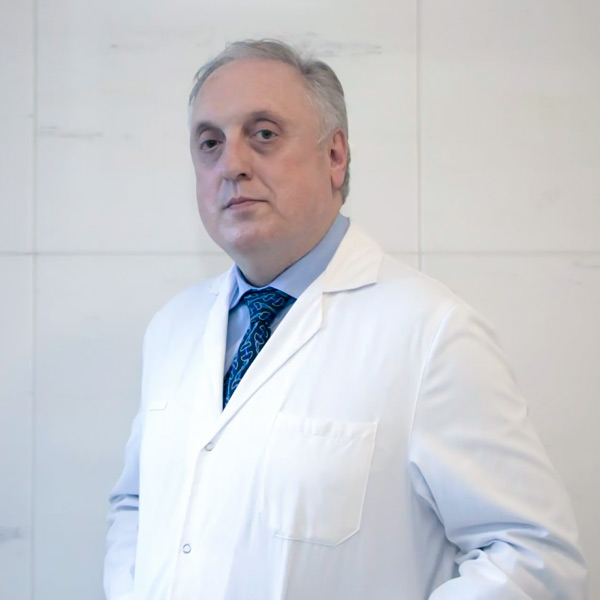
Adolfo López de Munain
He is a Doctor of Medicine and a specialist in Neurology, with expertise in neuromuscular diseases. He serves as the Head of the Neurology Department at University Hospital Donostia and is the Director of the Neuroscience area at Biodonostia. Additionally, he is the Scientific Director of CIBERNED and a professor at both the University of the Basque Country and the University of Deusto. He balances his clinical and research work with entrepreneurial activities within the biomedical sector.
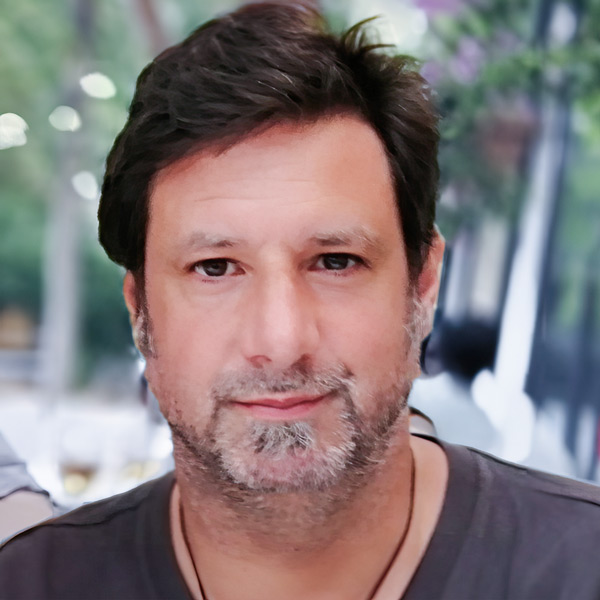
Aitor Moreno
D. in Artificial Intelligence from the EHU/UPV, and head of quantum technologies at Ayesa, as well as principal investigator in quantum technologies within Ibermática Fundazioa. In addition, he teaches at the Universities of Deusto and UPV/EHU on computing topics, including artificial intelligence, robotics, automation and control, as well as quantum computing. With multiple publications on these topics, he is a regular speaker at national and international congresses and events in these disciplines.
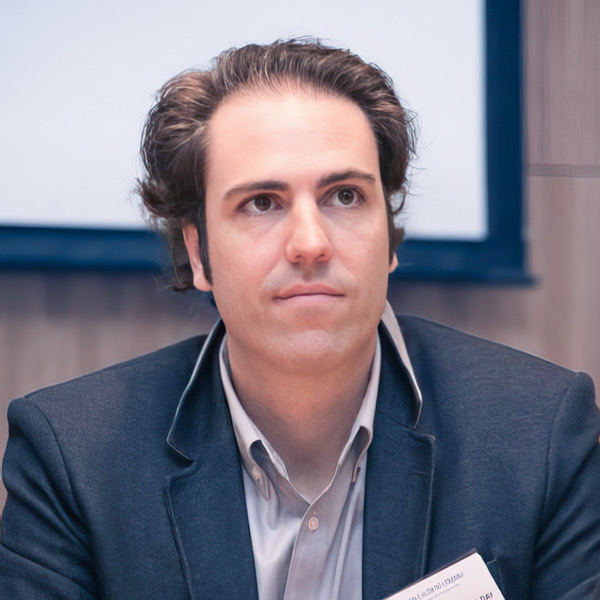
Ander Ramos
Director of the Neurotechnology Laboratory at Tecnalia and research scientist at the University of Tübingen. Translational technologist and neuroscientist with expertise in the design, development, testing, validation and regulation of neurotechnology. Leader in neuroprosthetics and neurotechnology.
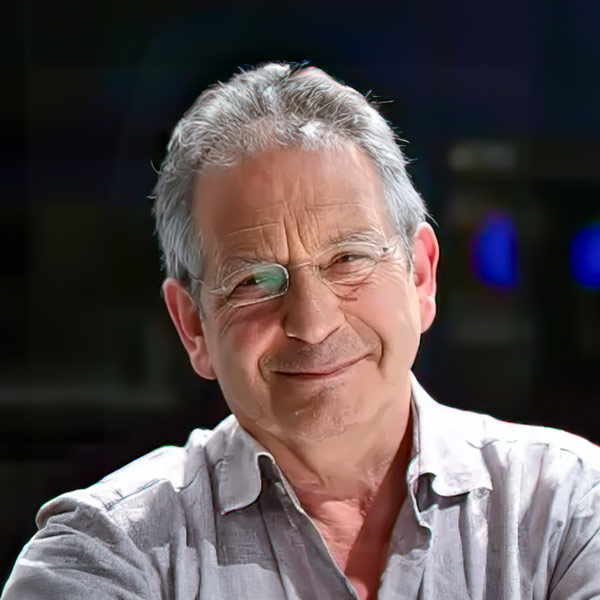
Bernard Zalc
Internationally recognized neuroscientist and expert in myelin biology. Holding a PhD in Medicine and Science, he has developed his career at leading institutions such as INSERM and the Paris Brain Institute (ICM).
His research focuses on the mechanisms of myelination and demyelinating diseases, such as multiple sclerosis. The author of numerous scientific publications, he has contributed significantly to advancing knowledge in the fields of neurobiology and neurology.
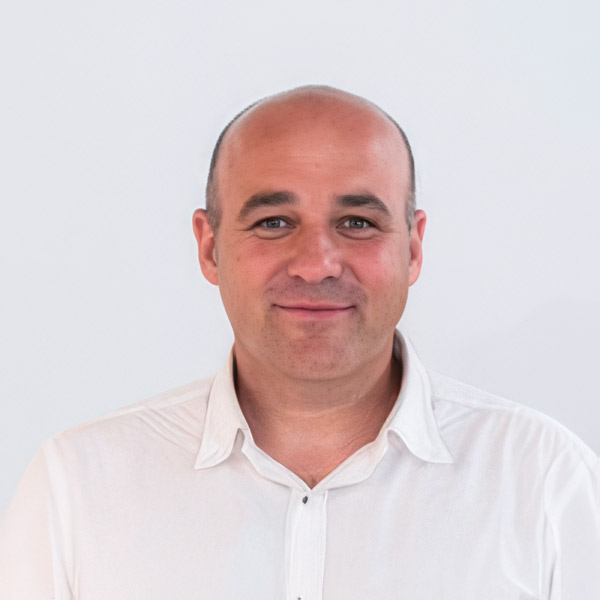
César Trigueros
Professional in the biotechnology sector with over 20 years of experience in the development and enhancement of manufacturing techniques for gene therapies. Specialized in gene therapy and immunology, he combines his industrial work with university collaborations and research projects.
He has contributed to the advancement of biotechnological processes applied to advanced medicine and is the author of more than 30 publications in peer-reviewed scientific journals.
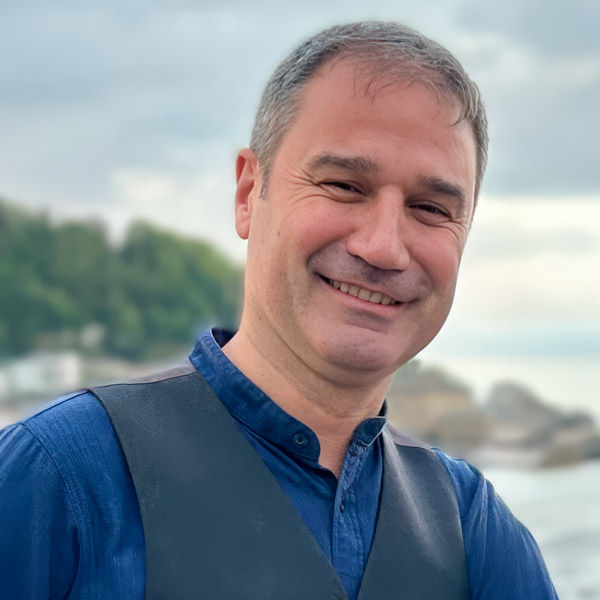
David Otaegui Bichot
Neuroscience researcher specializing in genetics and neurological diseases. Holding a PhD in Biology, he conducts his work at research centers such as Biodonostia, often in collaboration with the clinical sector.
His research focuses on the study of diseases such as multiple sclerosis and other neurodegenerative pathologies. As the author of numerous scientific publications, he contributes to the advancement of knowledge in neuroimmunology and personalized medicine.
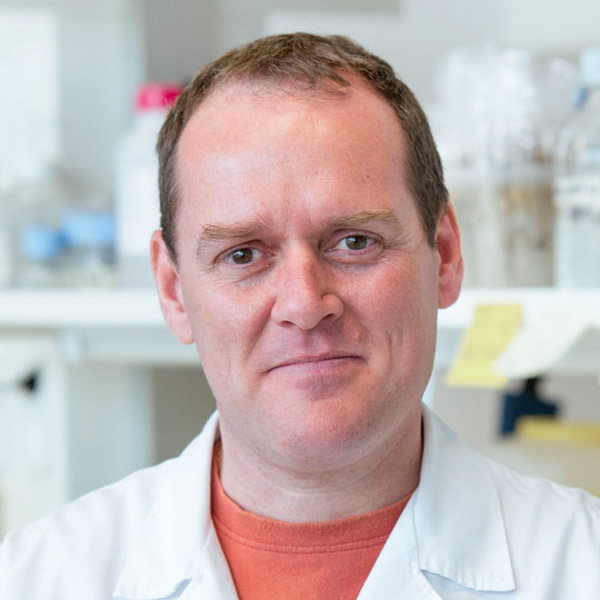
Diego Clemente
Spanish biologist and researcher specializing in neuroscience and multiple sclerosis. He holds a PhD in Biology from the University of Salamanca, where he was awarded the Extraordinary Doctorate Prize.
He is the Principal Investigator of the Neuroimmuno-Repair Laboratory at the National Hospital for Paraplegics in Toledo. His work focuses on studying the nervous system and developing strategies to halt neurodegenerative diseases, combining research, teaching, and scientific communication.
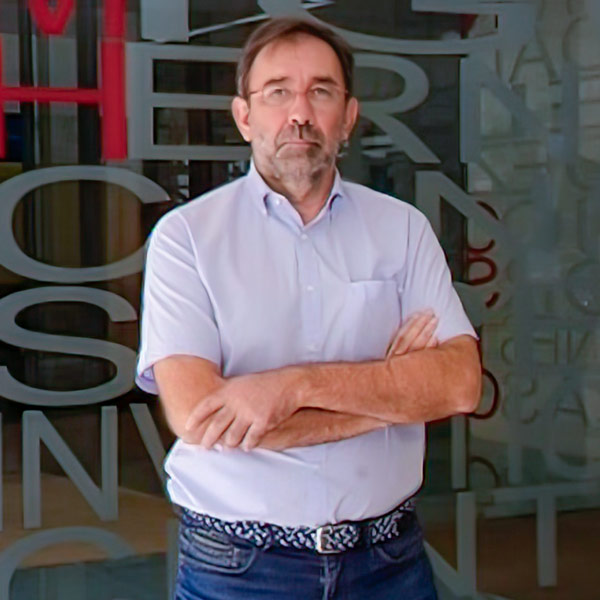
Emilio Geijo Barrientos
Professor of Physiology at the Faculty of Medicine of the UMH. Researcher at the Institute of Neurosciences as principal investigator of the Research Group: Neurobiology of mental, neurodegenerative and neurooncological diseases. International leader in electrophysiological studies of cortical circuits
Fabio Cavaliere
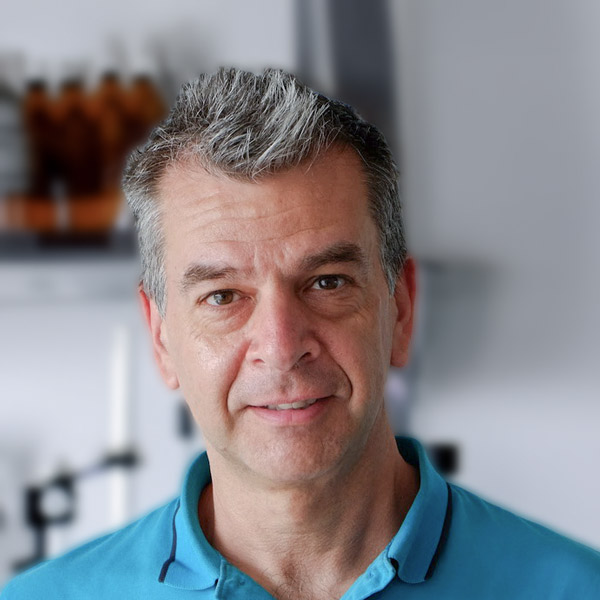
Neuroscience researcher focused on cellular regeneration and neurodegeneration of the central nervous system. His work addresses diseases such as Parkinson’s and ischemic brain damage, with a particular interest in the role of astrocytes. He utilizes advanced experimental models, including stem cells, brain organoids, and both in vitro and in vivo models. Additionally, he collaborates with national and international centers on cutting-edge biomedical research.
Fernando Corrales
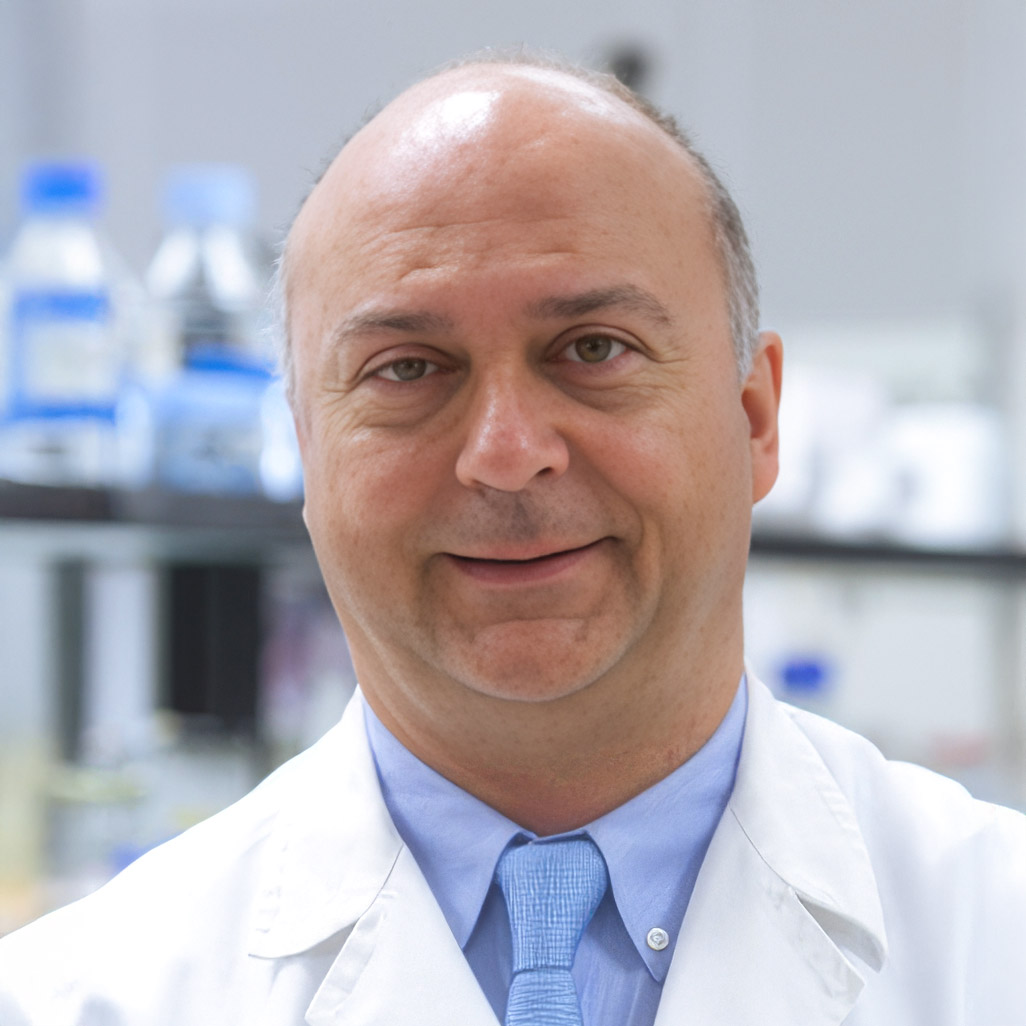
Professor of Biochemistry at the University of Navarra and researcher at CIMA, where he leads the Genomics, Proteomics, and Bioinformatics Unit. Holding a PhD in Biochemistry and Molecular Biology, he has developed his career at the CSIC and the University of Cambridge. His research focuses on proteomics applied to liver diseases, biomarkers, and advanced diagnostic technologies. He has authored more than 110 scientific publications and leads national and international initiatives such as ProteoRed and the Human Proteome Project.
Fernando de Castro
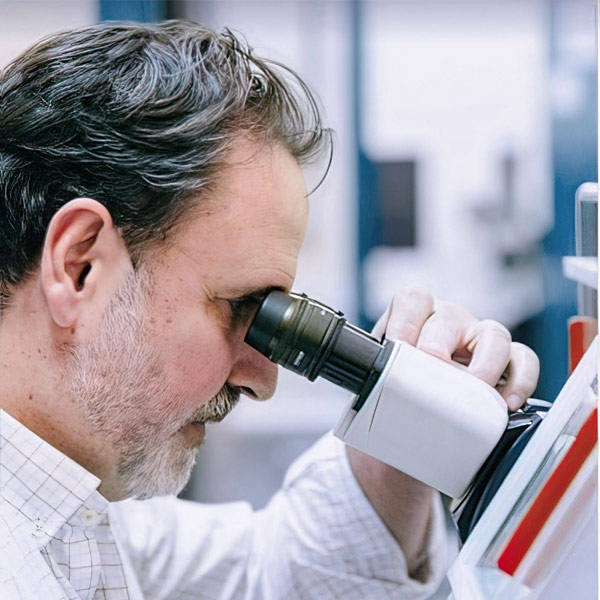
Senior Scientist at the CSIC and principal investigator of the Developmental Neurobiology Group-GNDe at the Instituto Cajal-CSIC. His main research interests range from oligodendrogliogenesis and myelination to the pathophysiology of demyelinating diseases (multiple sclerosis, leukodystrophies) and the search for cellular and molecular mechanisms to effectively (re)myelinate. Current president of the Spanish Glial Network
José María Moraleda
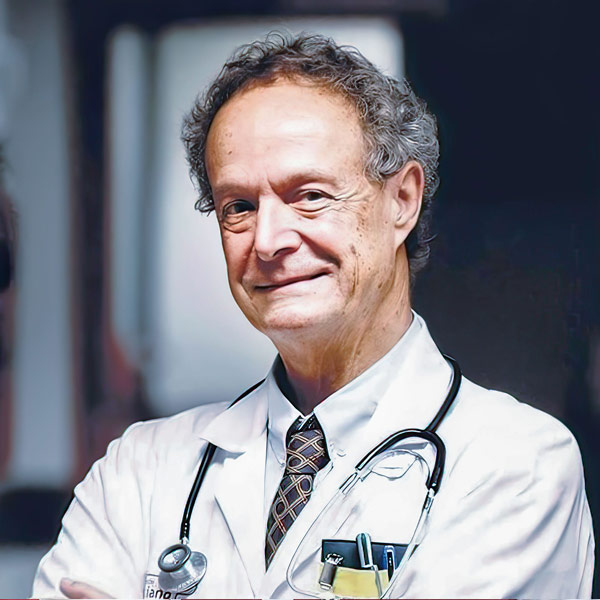
Coordinator of the Spanish network of advanced therapies (TERAV), for 11 years head of the Hematology Service and the Hematopoietic Transplant and Cell Therapy Unit of the Virgen de la Arrixaca University Hospital in Murcia, professor at the University of Murcia and president of the Spanish Society of Hematology and Hemotherapy (SEHH) (2013-2016)
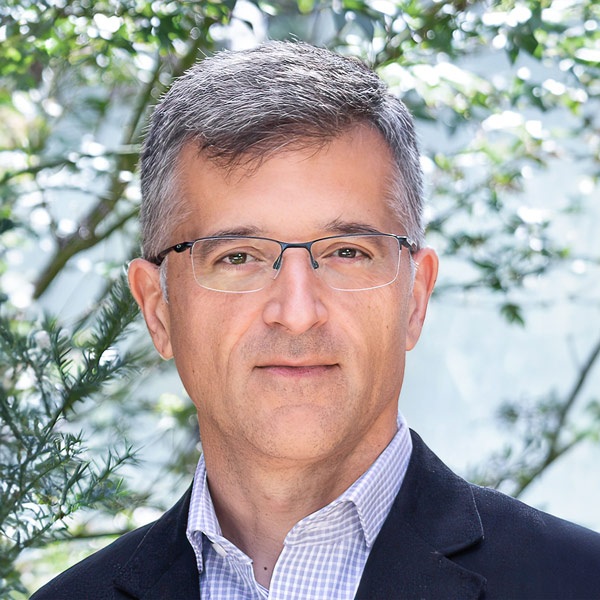
Julián Isla
Software engineer at Microsoft, advisor to the European Medicines Agency and member of the 29 Foundation, father of a son affected by a neurodegenerative disease who carries out an important international activity to promote the use of AI and other technologies for the diagnosis and cure of these diseases
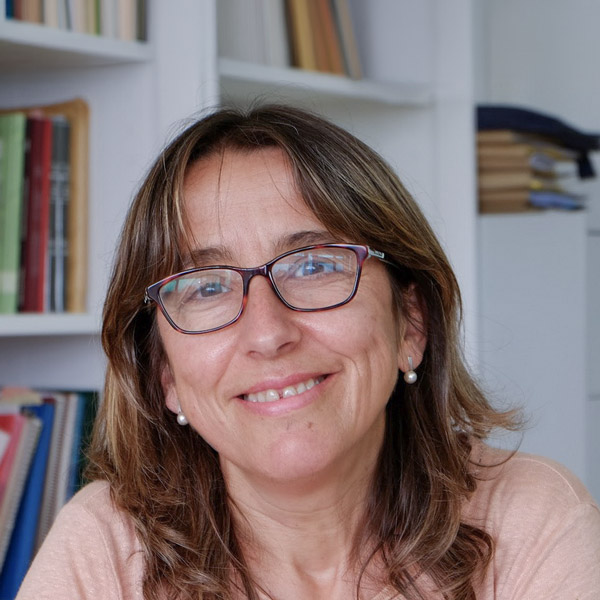
Maria Domercq
Neuroscience researcher and professor at the University of the Basque Country, as well as a group leader at the Achucarro Basque Center for Neuroscience. She holds a PhD and completed postdoctoral training specializing in the study of glial cells and neurodegeneration.
Her research focuses on oligodendrocyte damage in demyelinating diseases. She works on developing strategies to enhance myelination and remyelination within the nervous system.
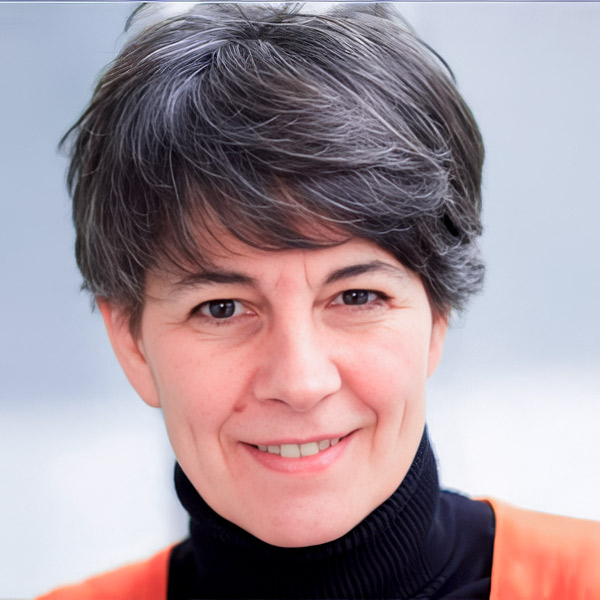
Matxalen Uriarte
Biomedical professional focused on innovation and the application of omic technologies. She began her research career at institutions such as KU Leuven, the University of Oviedo, and the CSIC. She later developed innovation projects at AZTI, integrating advanced technologies into the fields of health and nutrition. She is the co-founder of Universal Omics, where she promotes the use of artificial intelligence for the development of new therapies and the study of diseases.
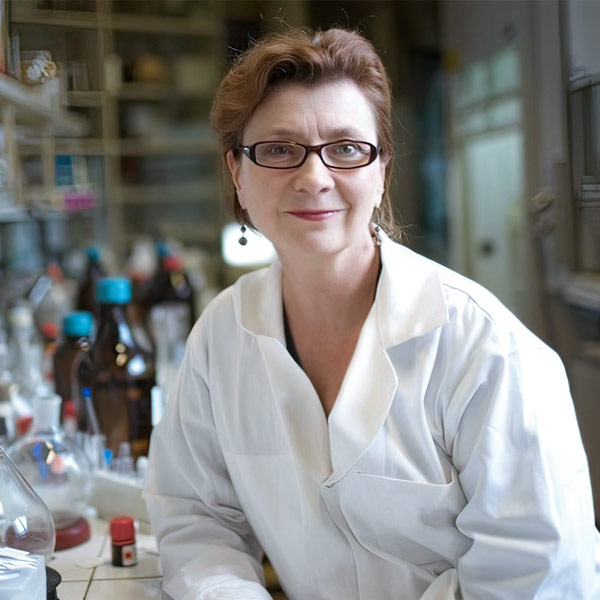
Nathalie Cartier
Director of the INSERM lab NeuroGenCell (Gene and cell Therapy for neurodegenerative diseases of adults and children) at the Paris Brain Institute (ICM) at the Pitié Salpêtrière Hospital in Paris. She acted as an investigator in the framework of the first gene therapy developed (in X-ALD) and her group is actively working on the development of gene therapies in neurodegenerative diseases. Recent awards: Grand Prix de la Fondation pour la Recherche médicale (2019), Grand prix de l’Académie des Sciences 2019
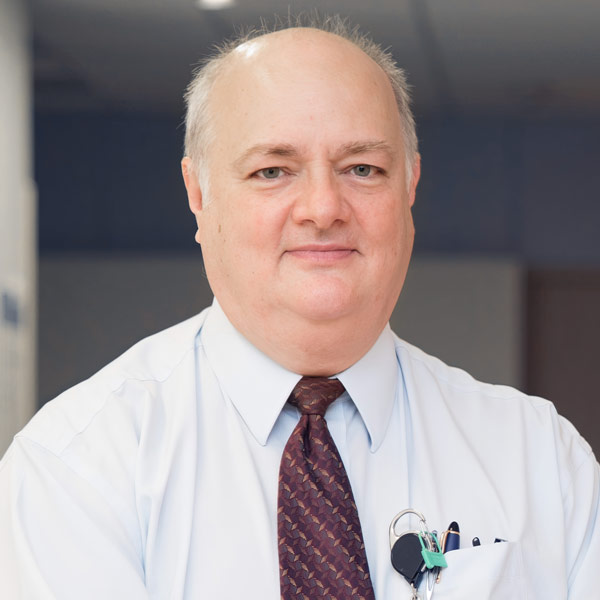
Paul Orchard
Paul Orchard Medical Director of the Inherited Metabolic and Storage Diseases Program and Professor in the Department of Pediatrics, Division of Cell Therapy and Blood and Marrow Transplantation at the University of Minnesota Hospital. Dr. Orchard’s focus is on the use of hematopoietic stem cell transplantation and other cell therapies for inherited metabolic disorders, with special interest in inherited leukodystrophies, mucopolysaccharidoses and osteopetrosis. His clinical research focuses on the evolution of novel and combination therapies to decrease toxicity and improve outcomes, with special interest in the use of gene therapy approaches, with extensive experience in leukodystrophies
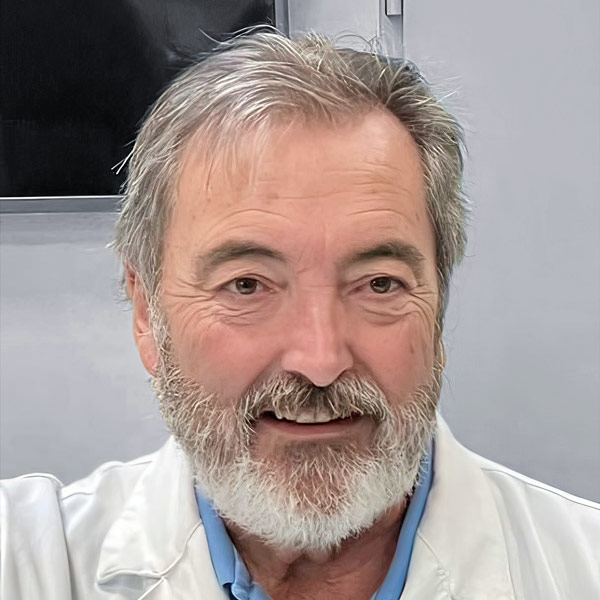
Salvador Martínez
Director of the Instituto Neurociencias de Alicante (IN), UMH-CSIC (April 2016-November 2020), Professor of Human Anatomy Medicine Univ. Murcia and UMH (since 2004), Professor of the Master of IN (since 2004) and Pasteur Institute of Paris (since 2005), Full Professor and Professor of the Universities of Murcia and Miguel Hernández de Elche
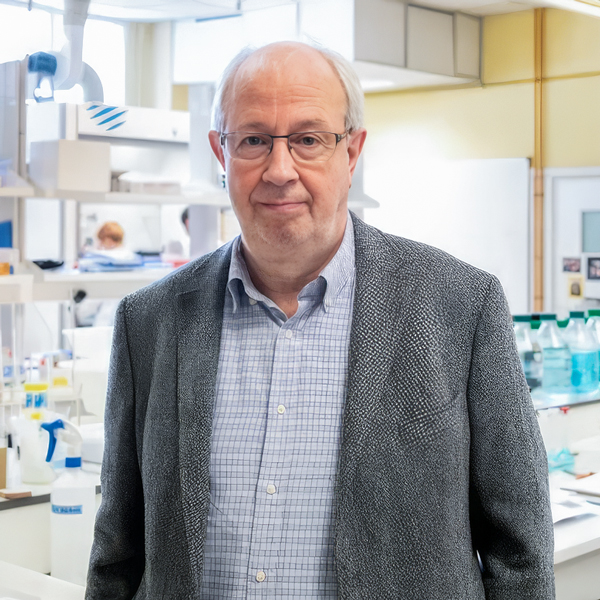
Ramón Martínez-Máñez
Professor of Inorganic Chemistry and researcher in nanomaterials and chemical sensors. He conducts his work at the Universitat Politècnica de València, where he leads research groups in nanotechnology. His work focuses on the design of nanosystems for controlled drug delivery and biomedical diagnostics. As the author of numerous scientific publications, he is an international benchmark in nanomedicine and smart sensors.
SPONSORS



SPONSORS